
From Website to Lead Engine: 7 Ways Smart Businesses Convert Visitors into Enquiries in 2026
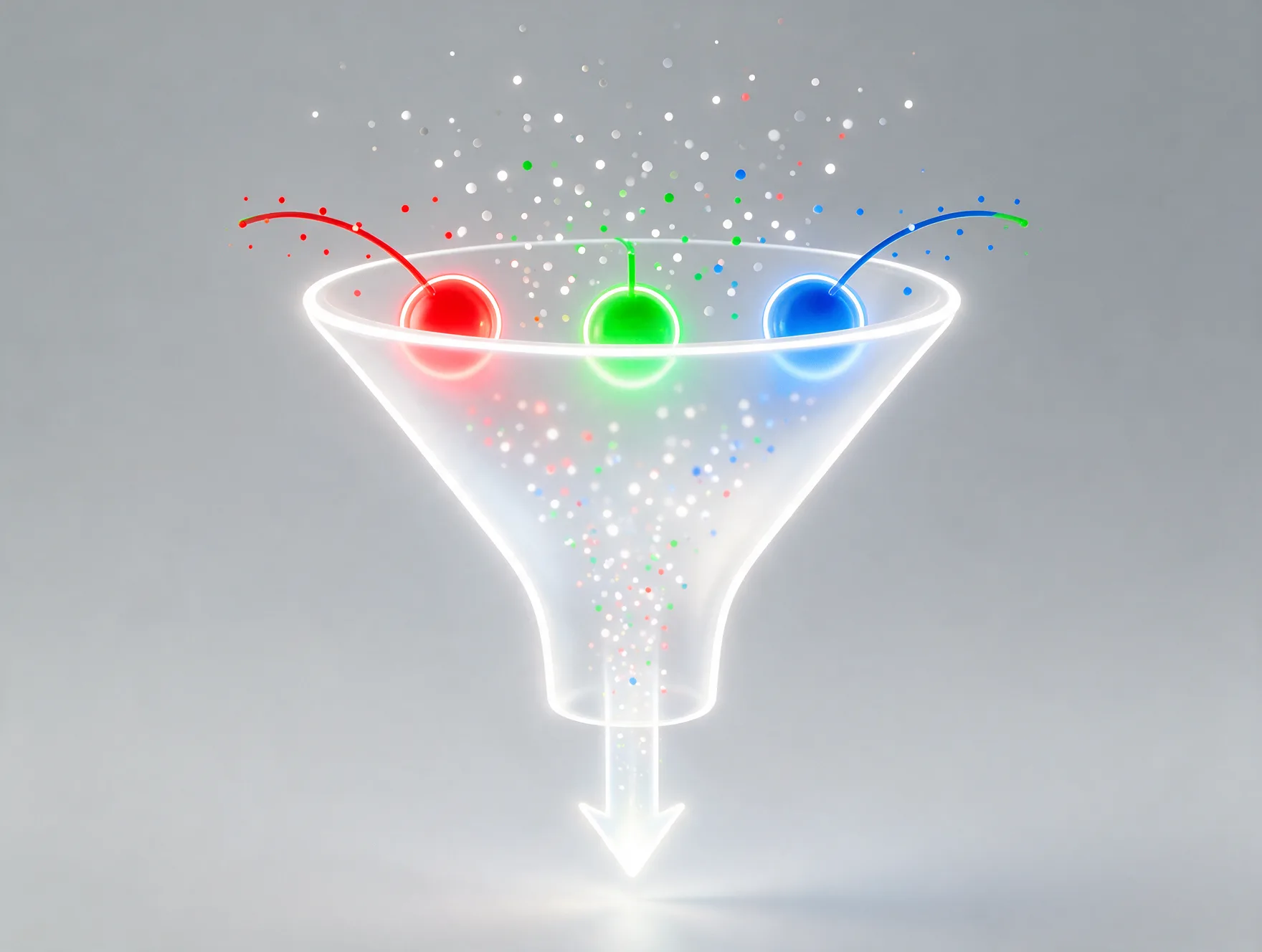
Plenty of websites look polished and still come up short on their main job. From the outside, nothing seems missing. But once you look at the inquiry numbers, the real gap becomes obvious: the site is being seen, it is just not earning the click that turns a visitor into a conversation.
Call It What It Is: A Conversion Gap
Across B2B, only a small fraction of visitors ever raise a hand, with rates hovering in the low single digits depending on the niche, who's coming in, what's being offered, and how the page feels. Industry research from 2025 places typical B2B SaaS visitor-to-lead ratios somewhere between 1.5% and 2.5%, while sharper performers climb well past that by sweating the details on forms, offers, and the journey itself.
Translation: if 1,000 people show up and only 15 to 25 reach out, every tweak to how clear, fast, trustworthy, and easy the site feels can shift those numbers in a real way. A modern business website cannot behave like an online pamphlet. It has to behave like something that actively builds inquiries.
What Does Website Lead Generation Really Mean?
Website lead generation is the job of moving someone from “just browsing” to “okay, I want to talk.” That handoff can happen in many ways: a filled-out contact form, a phone tap, a WhatsApp ping, a quote request, a callback button, a booking link, a demo signup, or even a brochure download.
A website built for lead generation is wired differently from a standard company site. It does not stop at telling the visitor what the company does. It gently moves them from curiosity to outreach by quietly handling the questions running through their head: What is this company actually offering? Do they get my situation? Where is the proof they can deliver? Can I trust them?
Why Traffic Shows Up but Enquiries Don't
Almost always, the cause is not a single big flaw. It is a collection of tiny friction points piled on top of each other: the visitor lands on the wrong page for their stage, the headline is too clever to be clear, the button is hard to find, the form feels like a job application, the page has no real proof to lean on, the mobile version is awkward, or the blog brings readers in but never tells them where to go next.
1. Give Every Key Page One Main Thing to Do
Every service page needs an obvious job. A website development page might push “Request a Website Consultation.” An SEO page can lead with “Get an SEO Audit.” A branding page works well with “Discuss Your Brand Project.”
That same button should appear at the spots where decisions naturally happen: near the top, just after the service explanation, beside the trust elements, and once more at the end. On a phone, the tap needs to be quick and never blocked by overlays or sticky menus.
2. Line Up Your Content With What the Visitor Actually Wants
Not everyone arriving on the site is ready to spend money. Learning-stage visitors searching “What is website lead generation?” find blogs, guides, and FAQs useful. Comparison-stage visitors searching “Best digital marketing agency in Dubai” respond to side-by-side breakdowns and case stories. Ready-to-buy visitors need the page to get to the point, prove credibility, and make outreach effortless.
3. Place Credibility Where the Visitor Is Hesitating
A polished design does not earn enquiries on its own. Reassurance does: client logos, testimonials, case studies, portfolio links, awards, certifications, years in business, and project counts. Credibility cues belong in the hero section, inside the service blocks, beside the CTAs, and right next to the inquiry form, not just at the bottom of the homepage.
4. Keep the Inquiry Form Short and Finishable
The form is where curiosity becomes a real lead, and also where most visitors give up halfway through. A first-touch form really only needs the basics: name, phone or email, service required, and message. WhatsApp carries serious weight in the UAE because many people would rather fire off a quick message than fill out boxes.
5. Take Mobile and Speed Seriously
A site can look flawless on a laptop and quietly fall apart on a phone. Google has shared figures showing a single second of extra load time can chop conversions by as much as 20% in certain contexts. Mobile leads slip away through small annoyances: the phone number won't dial when tapped, the WhatsApp button is way down the page, or the form is hard to type into.
6. Lean on CRO Data, Not Gut Feel
CRO, short for conversion rate optimization, is the steady work of improving a site so more visitors take the next step. Even minor gains stack up: a site pulling 3,000 visitors a month at a 1% conversion rate generates 30 inquiries; lift that to 2% and the same crowd brings in 60.
7. Write for SEO, AEO, and the Questions Real People Ask
AEO, or answer engine optimization, focuses on writing that directly handles the questions visitors are asking, and works alongside SEO, not against it. A solid service page should cover what the service is, who it's for, what problem it solves, what's included, and how the visitor reaches out.
How Infobahn Helps Businesses Turn Websites Into Lead Engines
Building a site that brings in leads takes more than visual design. It calls for planning, structure, search reach, writing, performance tuning, tracking, and a real conversion mindset. Infobahn covers website design, website development, SEO, branding, content strategy, digital marketing, software, analytics, and MarTech solutions, with each piece supporting the others.
Conclusion
Heading into 2026, a business website cannot survive on looks alone. It needs to explain plainly, load fast, answer the real questions, show proof, point the way, and keep inquiry simple. Moving from a 1% conversion rate to 2% can double inquiries without doubling the marketing budget.
Need a website that brings more than traffic? Connect with Infobahn to build a smarter lead generation website for your business.
Get in TouchFAQs
Want your website working harder for inquiries? Connect with our team for a conversion review.
Get a Free ConsultationWhat is website lead generation?
Turning visitors into potential customers through enquiry forms, phone calls, WhatsApp messages, quote requests, callback requests, consultation bookings, demo requests, or brochure downloads.
Why is my website getting traffic but no inquiries?
The visitors may not be ready to buy, the CTA may be hard to find, the page may not feel trustworthy, the form may be too long, or the mobile version may be rough. Usually the issue lives in the full journey, not just the visit count.
How can I convert website visitors into leads?
Clear service messaging, sharp CTAs, short inquiry forms, visible credibility, fast loading, mobile-friendly design, helpful content, and proper tracking. Make the next step easy to spot and easy to take.
What is a good website conversion rate?
It depends on the industry, the service, the visitor quality, and the offer. Many B2B sites live in the low single digits. The smarter goal is lifting your own number month by month, not chasing public benchmarks.
Is SEO enough to generate leads?
SEO brings the visits, but the leads come from how the site handles them. It still needs to match search intent, explain clearly, build trust, load fast, and keep inquiry simple.
What should a good inquiry form include?
Name, phone or email, service required, and message are usually enough for the first touch. Longer forms can show up later when a detailed proposal is being prepared.
Why is mobile experience important for website lead generation?
Most visitors arrive on phones. Slow, hard-to-read, or fiddly mobile sites lose leads. Clickable phone numbers, visible WhatsApp buttons, short forms, and quick loading change the outcome.
How can Infobahn help with website lead generation?
Infobahn helps plan, design, develop, and refine websites that bring in inquiries through website development, SEO, content strategy, branding, digital marketing, conversion-focused layouts, analytics, and MarTech support.